Typography Without Color: Does it Still Work?
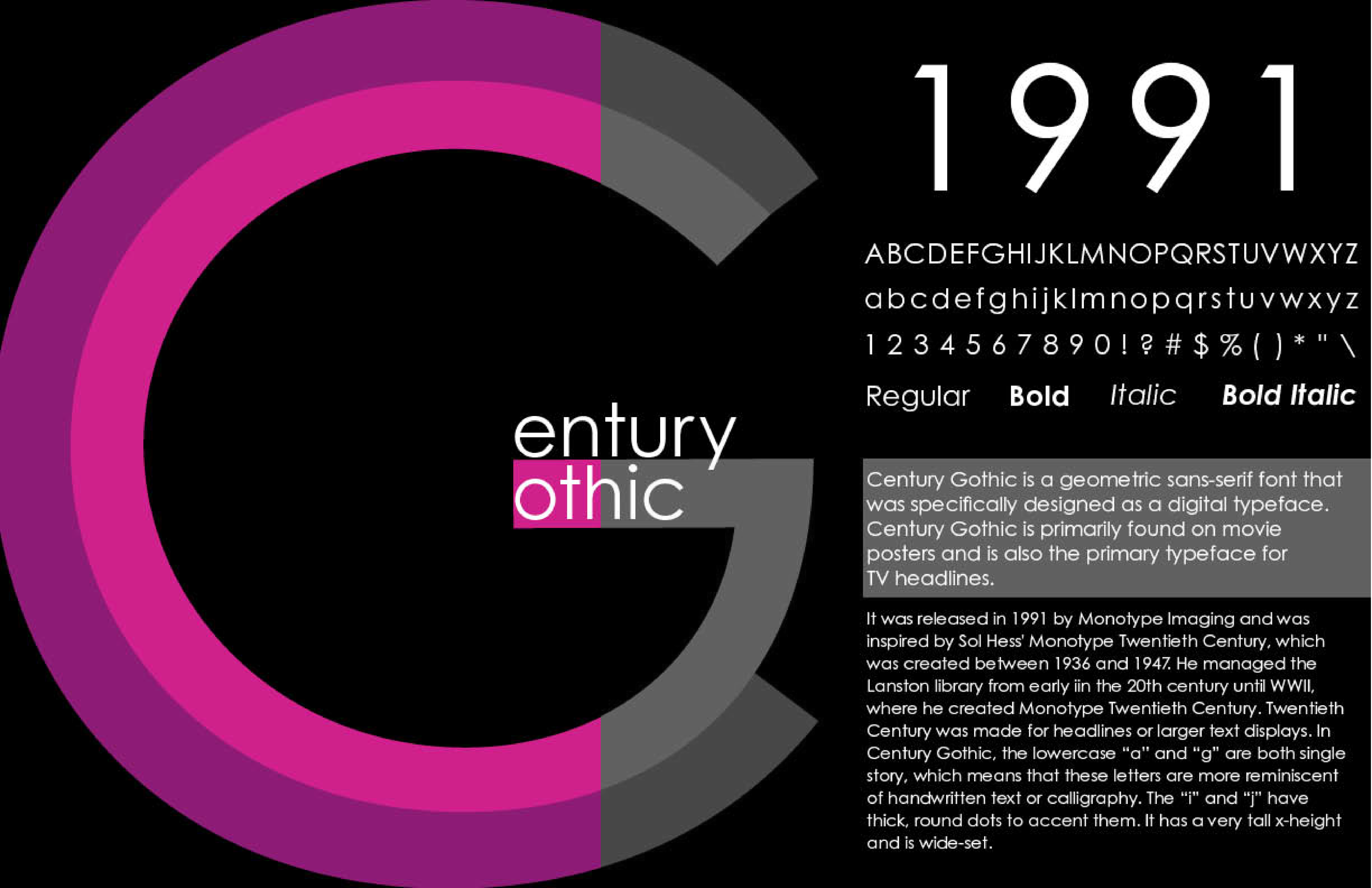
One of the most common things in typography is leaning on color to create hierarchy. It is fast, visible, and gives the impression that something has been organized. But visibility is not the same as clarity. A page can be full of contrast and still feel confusing if the underlying structure is not doing its job. Typography is about making things understandable. Before any color is introduced, a layout should already guide the reader effortlessly from one element to the next. When that does not happen, color becomes a crutch rather than a complement.
What People Get Wrong About Typography
Color does not create hierarchy, it reflects in. At its best, it amplifies a structure that already exists. At its worst, it conceals a structure that doesn’t. Hierarchy is fundamentally a system for organizing type by order of importance and that order must come from the type itself, not from color layered on top.
When a heading is the same size as body text but rendered in a different color, the reader notices the difference without necessarily understanding it. That is visual novelty, not hierarchy. A well-structured page should page should communicate priority clearly even when printed in black and white.
The Tools That Actually Do the Work
Typographic hierarchy comes down to two core principles: contrast and spacing. Everything else is an expression of one or both. Here is how each tool contributes.
Size & Scale
A meaningful size difference between heading and body text immediately signals importance. Larger elements draw the eye first. This is a perceptual baseline that needs no color to function.
Weight
Bold draws attention, light recedes it. Keeping two typefaces roughly the same size while varying weight is enough to establish clear hierarchy without any other change.
Style
Italic, small caps, and uppercase each create differentiation without competing for visual dominance. A subheading set in small caps sits naturally between a heading and body text, establishing its level clarity
Typeface Contrast
Pairing a serif with a sans-serif introduces structural contrast through form alone. Hierarchy should emerge from a consistent typographic scale.
Spacing
Line height, letter spacing, and margins communicate grouping and importance as reliably as any visual element. Proximity is the first variable to establish before weight, style, or color.
Alignment
Alignment signals intention. A deliberate break from the dominant alignment creates emphasis through structure alone, no color required.
None of these are novel principles. They are the foundation of typographic practice and easy to overlook when color is available as a shortcut.
A Long Track Record
Typography has been solving the hierarchy problem without color for centuries. Books, newspapers, and legal documents guided readers through complex information using only size, weight, and spacing. Swiss modernist designers of the mid-20th century build entire visual systems from type, grid, and contrast alone.
Canva’s guide to visual hierarchy uses the classic newspaper layout, headline, sub headline, and body copy as a foundational model precisely because it demonstrates hierarchy working at its most legible, without any color dependency.
The precedent is well established. The challenge is applying it consistently in contemporary practice, where color tools are immediate and tempting.
Where Color Belongs
This is not an argument against color. Color is a powerful design tool. It is essential for brand identity, emotional, tone, interactive feedback, and navigational clarity. Used well, it genuinely elevates a design. A subheading in an accent color will always stand out more than in one plain body text. Color is an effective amplifier of hierarchy. The problem arises when it is used as a substitute for it.
Final Thoughts
Color can strengthen typographic choices, but it should not be responsible for it. If removing color causes the structure to fall apart, then the hierarchy was never truly there to begin with. The goal is not to eliminate color, but to put it in its proper place. When typography does the heavy lifting, everything else becomes sharper, more controlled, and more meaningful.

Hi I’m Rebecca Collins, and I am a graphic designer with a strong interest in branding, typography, and visual storytelling.
I love exploring how design can shape the way people experience information, whether through print, digital media, or motion.
